What Bazan Knows
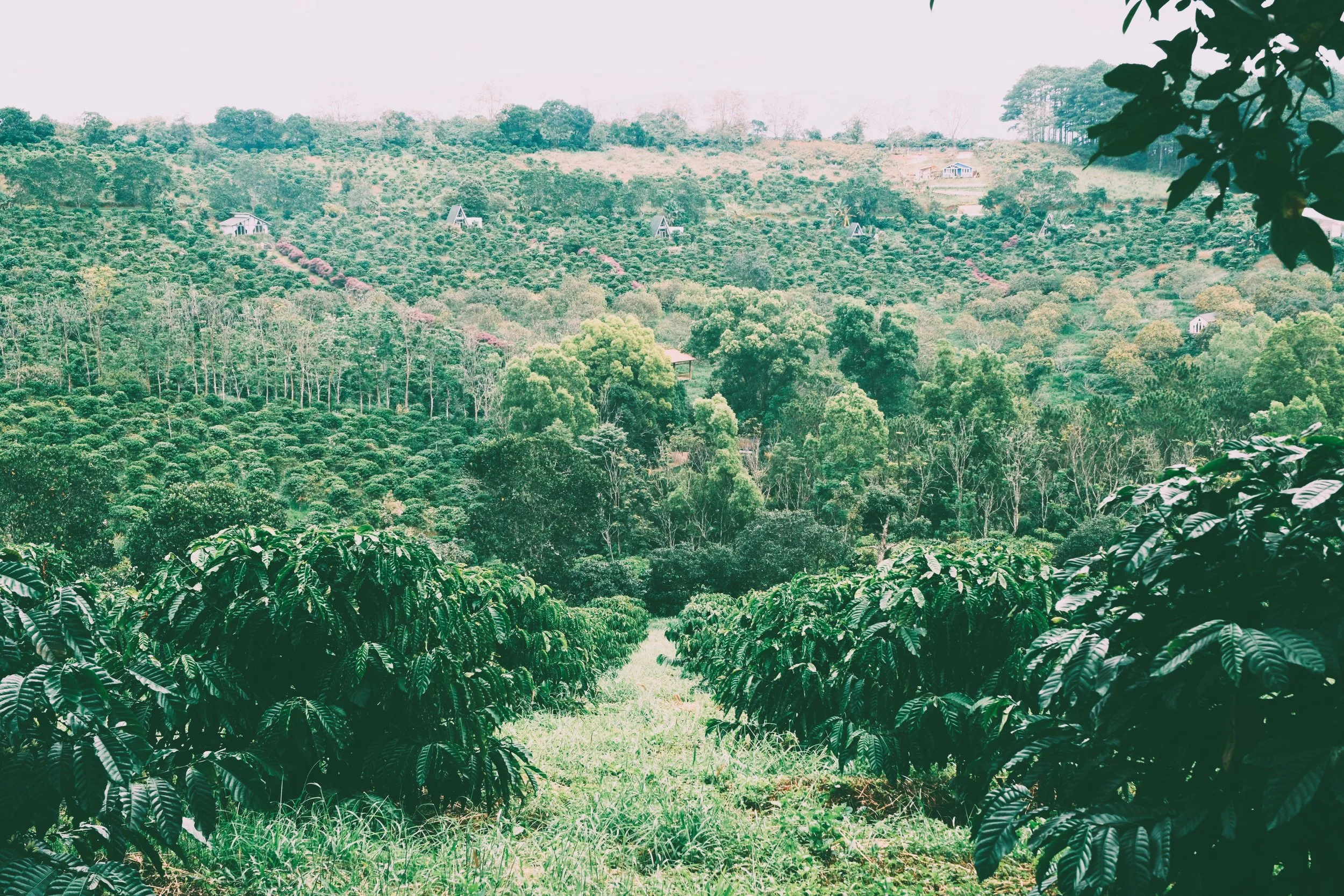
There is a hill in Lâm Đồng that doesn't look like much from the road.
No sign. No gate. Just a dirt track that peels off the asphalt and disappears into rows of coffee trees. If you didn't know what you were looking for, you'd drive past it without a second thought. Most people do.
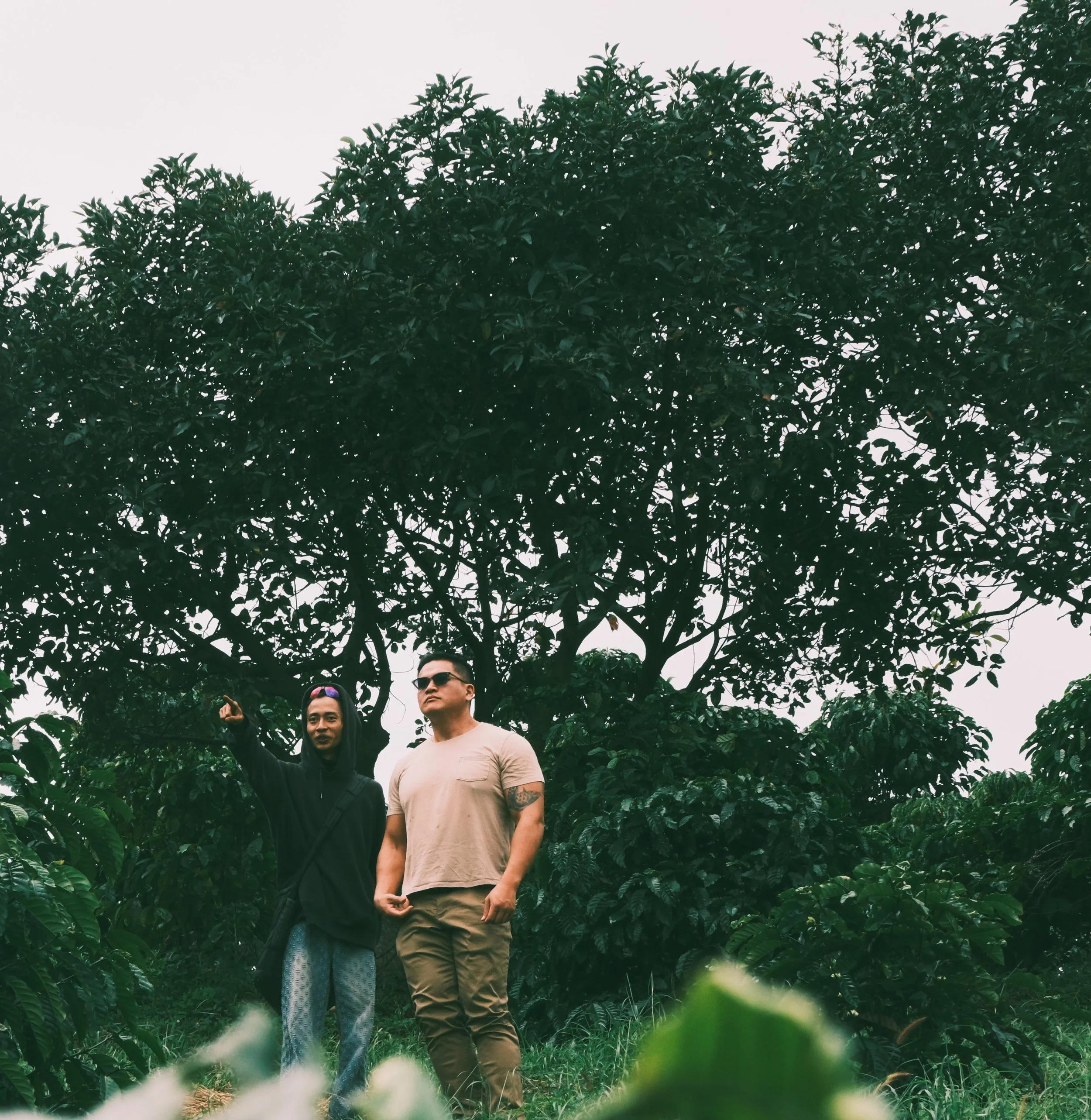
The farmer who works it wakes before the light does.
Not because anyone told him to. Not because there's a schedule posted somewhere. Because the trees don't care what time it is, and neither does the weather, and if you've spent your whole life on a hillside you stop waiting for permission to begin.
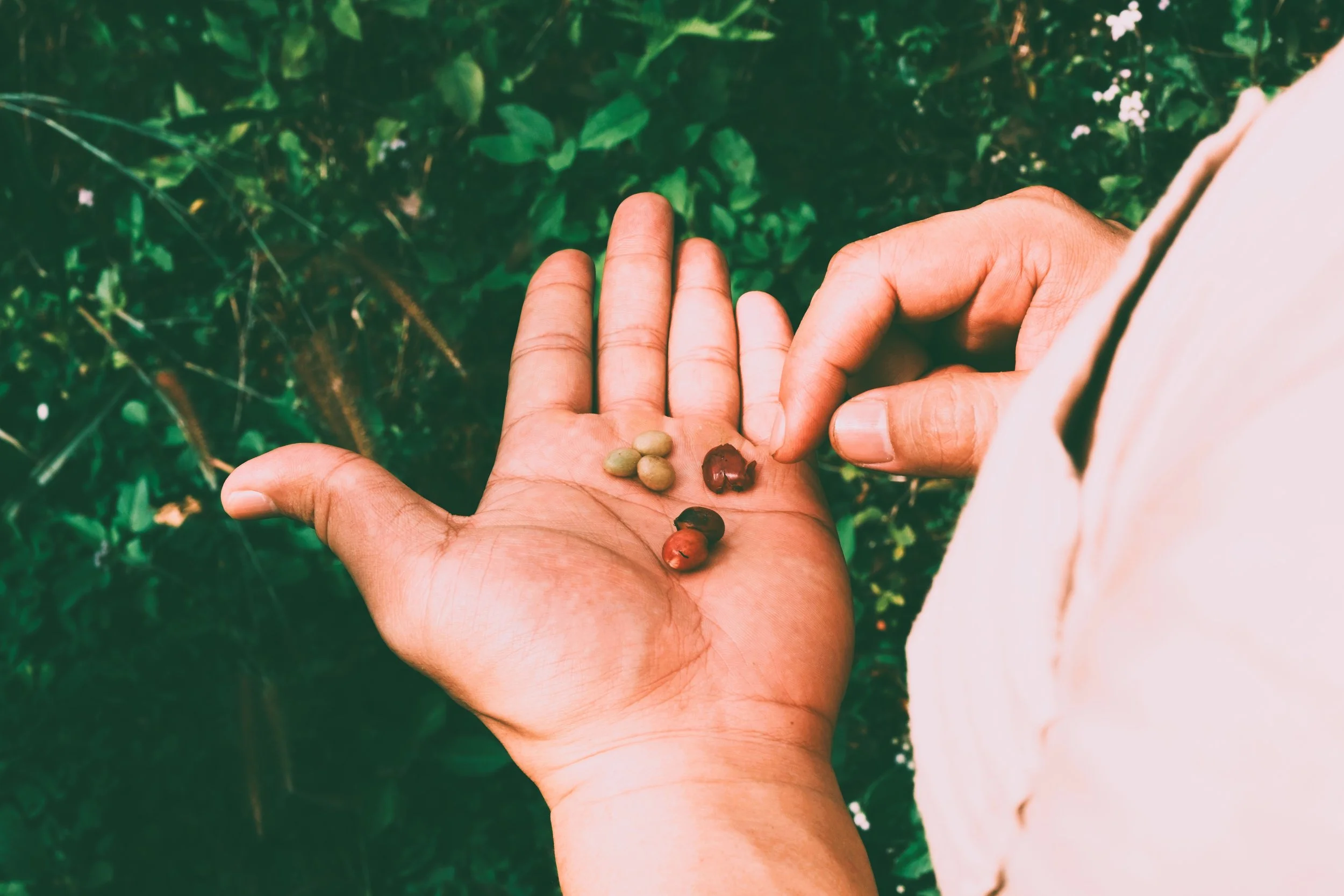
He is not young. His hands show it. The kind of hands that have learned the difference between a cherry that's ready and one that's lying about it. That knowledge isn't in any book. It came from seasons of being wrong, and then less wrong, and then quiet about the whole thing.
His father planted some of these trees.
That's worth sitting with for a moment.
The soil he works is dark. Almost black in places. Heavy and mineral-rich in a way that city soil never is. It holds water longer than it should and releases it slowly, like it's making a decision.
This is basalt soil. Bazan, as it's known here.
It didn't arrive politely. It came from below, pushed up through fissures over millions of years of geological pressure, cooling slowly into something dense and permanent. The Central Highlands of Vietnam sit on one of Southeast Asia's most significant basalt plateaus. The kind of formation that takes an incomprehensible amount of time and violence to produce, and then just sits there, quietly, waiting to be useful.
Coffee found it useful.
Basalt weathers into clay minerals that hold nutrients other soils surrender too easily. Potassium. Phosphorus. Iron. Trace minerals that move through root systems and into cherries and eventually into your cup in ways that no supplement or fertilizer can fully replicate. The chemistry is real. Measurable. But chemistry doesn't explain everything.
There's something else here.
Depth, maybe. The sense that what comes out of this ground has been a long time coming.
The farmer doesn't talk about minerals.
He talks about the trees the way you talk about difficult relatives. With patience that has been tested and survived. He knows which ones give early and which ones hold back. He knows the rows that need more shade and the ones that want full sun by afternoon. He knows when something is wrong before he can explain why.
This is what gets lost in the conversation about terroir.
We love the word. We use it like an explanation, when really it's just a starting point. Terroir is the soil, yes. The altitude. The rain patterns. The temperature swings between day and night that slow cherry development and concentrate sugars. All of that is real and it all matters.
But terroir is also him.
The decision to let cherries hang an extra week. The choice to dry slowly on raised beds instead of rushing the process on tarps. The accumulated knowledge of a family that has been reading this particular hillside across generations. You cannot extract that from the cup and put it in a tasting note. But it's there.
It's always there.
When the harvest comes, he doesn't celebrate.
There's too much work for that. Selective picking means walking the same rows multiple times over multiple weeks, choosing only what's ready, leaving what isn't. It is slow and it is expensive and it is the only way to do it honestly. Shortcuts exist. Everyone knows what they cost.
Some years the rains come wrong and the cherries split. Some years a fungus moves through and takes whole sections of a row. Some years the price drops and the math stops working and he does the whole thing anyway because what else is there.
The hill doesn't offer alternatives.
Neither does he.
I think about this when I hear people talk about Vietnamese coffee as a category. As if it's a single thing with a single story. As if the bag on the shelf arrived there without weight.
Every lot of coffee from these highlands carries the specific gravity of a specific place and a specific set of hands. The bazan soil gave it the foundation. The altitude gave it the patience. The climate gave it the character.
But the farmer gave it everything else.
The next time you open a bag of Vietnamese highland coffee, you're holding the end of a very long chain. Ancient geology. Colonial agriculture. Post-war recovery. A family's accumulated knowledge of one particular hill.
It doesn't ask you to think about all of that.
But it's worth a moment.
Anyway.
Tommie Vo
28 March 26